All Categories
Featured
Table of Contents
Enterprise application modernization describes upgrading and keeping tradition systems to take advantage of contemporary innovations and architectures. This is crucial in today's company environment, where to keeping an one-upmanship. Through legacy modernization, organizations can enhance functional effectiveness, enhance client experiences, and make sure compliance with industry requirements. Business application modernization (EAM) involves re-engineering, re-architecting, or otherwise changing tradition systems to incorporate with modern IT environments.
Unlike routine software updates, which focus on small improvements and patches, EAM includes, typically resulting in a more nimble, scalable, and future-proof system. Traditional updates are reactive, resolving instant requirements, while modernization is proactive, ensuring long-term system practicality. NewsvFunction joins AWS ISV Work Migration Program For business, application modernization is not simply an optionit's a need.
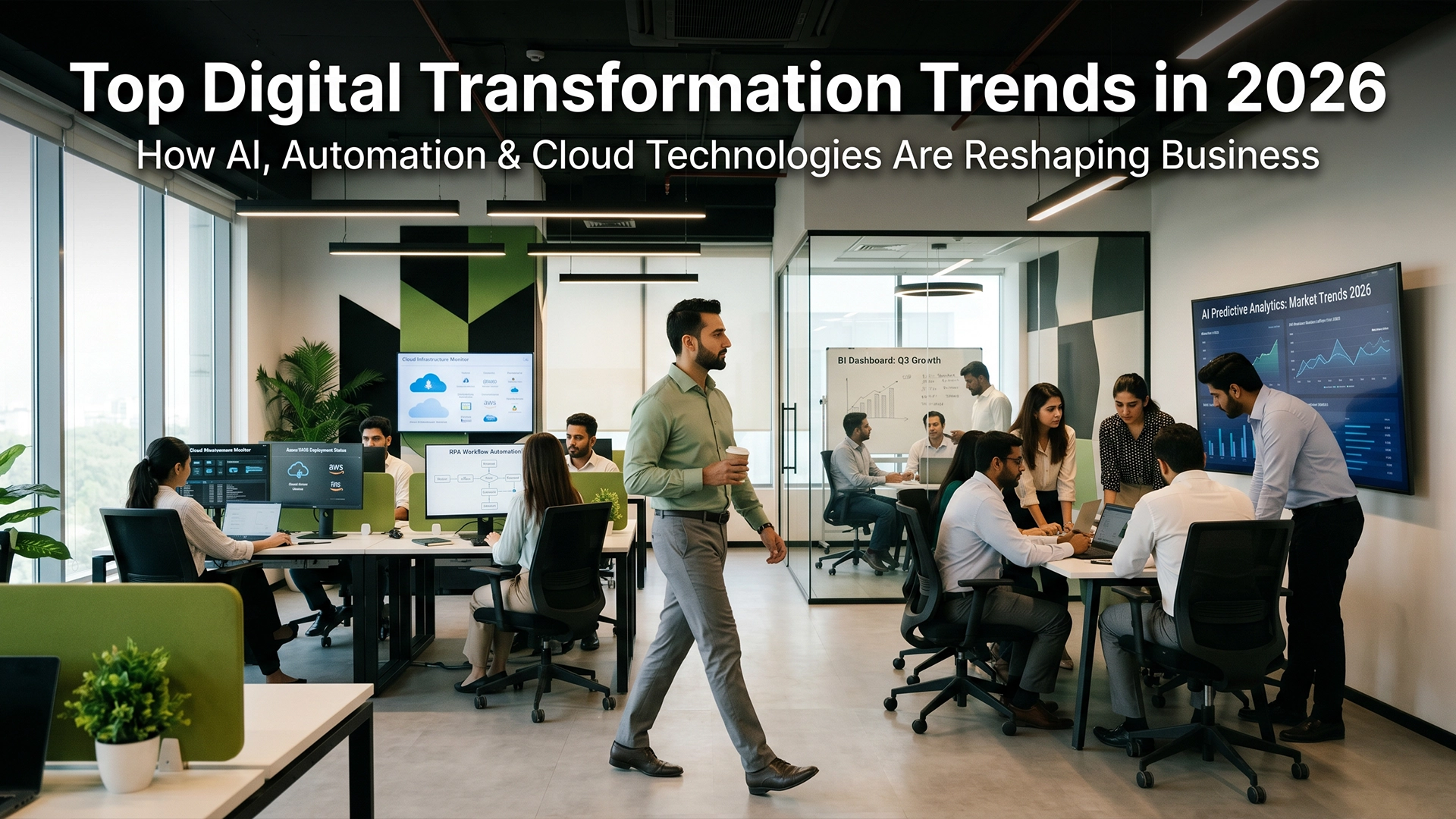
Modernizing these systems permits business to enhance scalability, enhance security, and, ensuring they remain in a rapidly evolving market. A global monetary institution recently modernized its core banking system, resulting in a 15% to 20% increase in consumer fulfillment. This highlights the concrete advantages that modernization can deliver, driving both functional effectiveness and consumer engagement.
Here's a more detailed look at the advantages that modernization brings to massive companies. Business application modernization substantially improves the speed and effectiveness of company processes. By updating legacy systems, companies can, permitting quicker responses to market changes and promoting a culture of development. For circumstances, an up-to-date system can lower product development cycles, allowing business to bring brand-new offerings to market more quickly.
.webp)
How Transformative Cloud Solutions Drive Modern Growth
With enhanced analytics, organizations can identify trends, optimize processes, and forecast client requires more accurately, driving better outcomes. Modernized business applications often include and structured reporting functions.
Among the most tangible benefits of enterprise application modernization is the reduction in functional expenses. Organizations can accomplish by optimizing resource use and automating regular jobs. In addition, modernized systems frequently require less maintenance and are more resilient, leading to lower upkeep costs, fewer interruptions, and additional cost decreases gradually.
This not only increases consumer fulfillment but.Enterprises that prioritize modernization in customer-facing applications can expect to see higher engagement and loyalty, equating into better organization efficiency. Lastly, in business application modernization, the developer experience is becoming as criticalif not more sothan the client experience. Designers are developing, keeping, and developing the software that serves clients, so their capability to work efficiently is paramount.
Will Your Organization Prepared for the 2026 Transition?
Focusing on enhancing developer workflows, lowering inadequacies, and guaranteeing positioning in between designers and management directly enhances modernization efforts and keeps skill engaged and productive. In this context, improving developer experience becomes a key chauffeur of successful change. "A lot of our time is spent on upkeep and bug repairing compared to feature development.
Provided the increasing requirement for modernization, lots of business have actually successfully navigated the app modernization process utilizing distinct methods. These methods make sure that business can update their applications efficiently while keeping thoroughness and accuracy.
an out-of-date system with a new service is typically picked when the cost of preserving the tradition application outweighs the benefits. These techniques help make sure efficient modernization while keeping system stability and accuracy. Even with a well-defined method, the complexity of business application modernization can result in inefficiencies if not thoroughly handled.
AI-Driven and Legacy Ecosystems Compared
Extensive evaluation and goal-setting are foundational to a successful modernization job. Before beginning, it's important to of the present systems and specify clear goals. It's never ever adequate to just mention, "We need our application to be more modern." You need to find out what factors lie behind the modernization efforts, whether it be: Cost savings Reducing churn Increased stability Increased ability to innovate Better designer experience Or perhaps something entirely various.
Constant communication and feedback loops throughout the task not only assist in aligning expectations however likewise in that emerge. Picking the best technologies is central to the success of any modernization effort.
Successful technology adoption can significantly improve the total modernization outcome, as demonstrated by enterprises that thoroughly align technology options with their business goals. One of the primary obstacles in enterprise application modernization is preserving company connection.

Latest Posts
Essential Steps to Realizing Successful Digital Transformation
Key Steps to Achieving Full Digital Transformation
Future-Proofing Your Business With Cloud-Native Tools